 EN
EN

RFID tags are special tools that help businesses track items. They are like tiny stickers that can be stuck on things, and they carry information about what they are stuck on. These tags are very useful in all kinds of environments. Some places are tough for regular tags, but RFID tags made by SUNRFID can work well in harsh places. Harsh environments can include factories, outdoor areas, and even extreme weather conditions. Knowing how RFID tags work in these tough places helps companies keep their operations running smoothly.
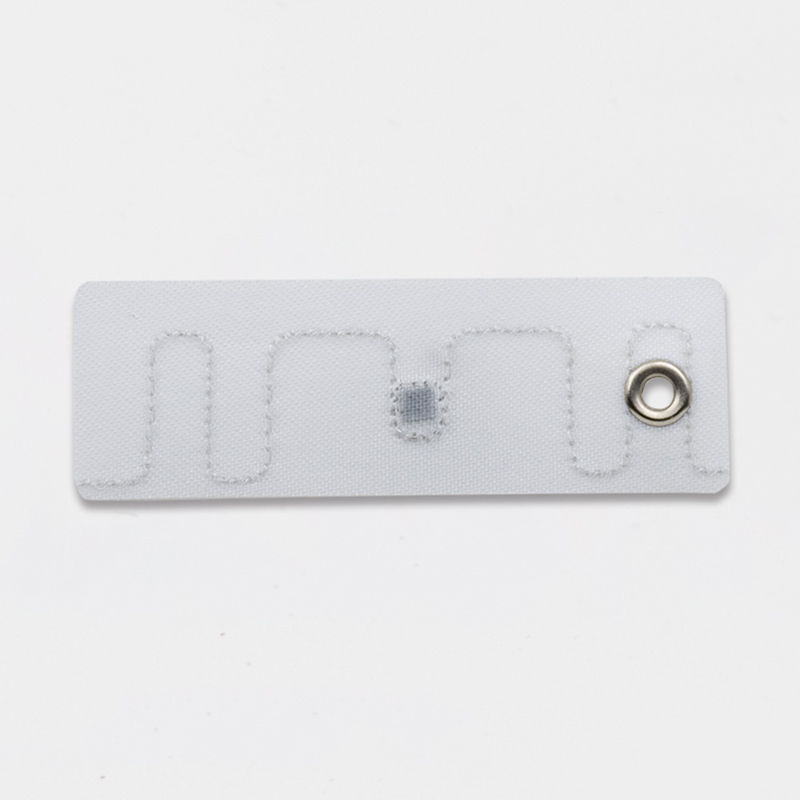
RFID tags are made to handle really tough environments. For instance, they can work well in places that are very hot or very cold. Some RFID tags can even survive being submerged in water or being exposed to chemicals. Imagine a factory where machines get really hot. Regular tags might stop working, but RFID tags from SUNRFID can still read the information they carry. This is because they are designed with special materials that protect them. Even in heavy rain or snow, these tags can still send signals. For example, in a cold storage facility, RFID tags can help keep track of food items without freezing or breaking. They are also resistant to dust and dirt, which is a big plus in construction sites. When workers are busy, they don't have time to check each item manually. Instead, RFID tags allow them to scan large groups of items at once. This saves time and makes work easier. Also, if a tag gets damaged, it can often still function because it has been built tough. Many companies find using RFID tags in extreme conditions helps them avoid losing valuable items. This means less waste and more efficiency in their operations. One example of a durable RFID tag is the O8019 85 x 21 x 10 mm NXP Ucode 9xm, which is specifically designed for harsh environments.