
All Categories
laboratory sample tracking rfid-0

Home > 

laboratory sample tracking rfid

In laboratories, keeping track of  samples is very important. When scientists or researchers need to test materials, they rely on accurate tracking to ensure everything is in the  right place. If a sample gets lost or mixed  up, it can ruin experiments or cause  delays. That's where  RFID, or Radio Frequency Identification,  comes in.  RFID is  a technology that uses  radio waves to identify objects. For laboratories, it means they can easily track samples, know where  they are, and ensure they are safe. Companies like SUNRFID provide solutions to help labs manage their samples better, making science smoother and more  efficient.

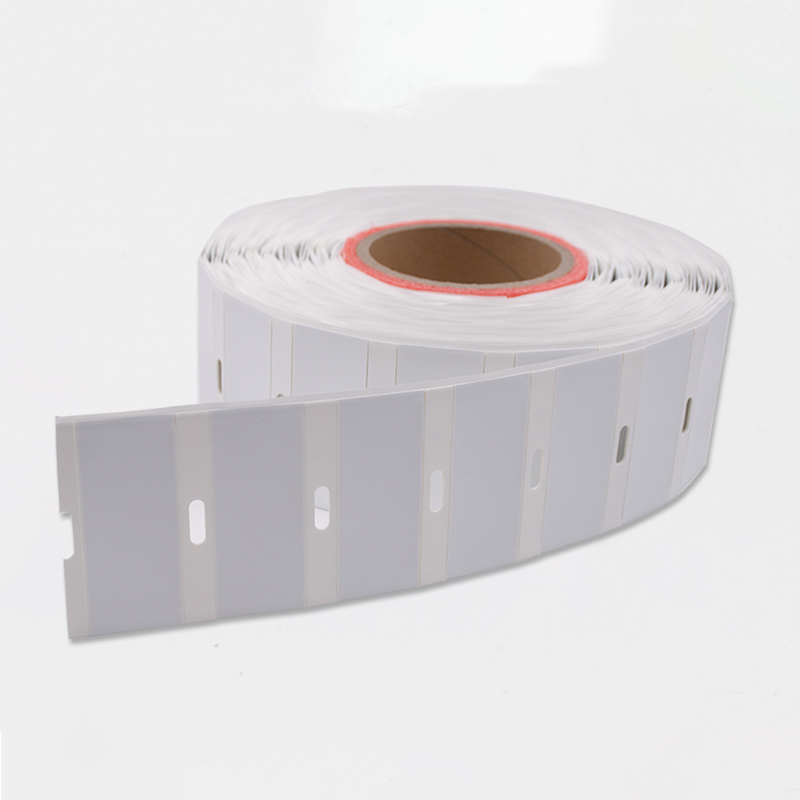
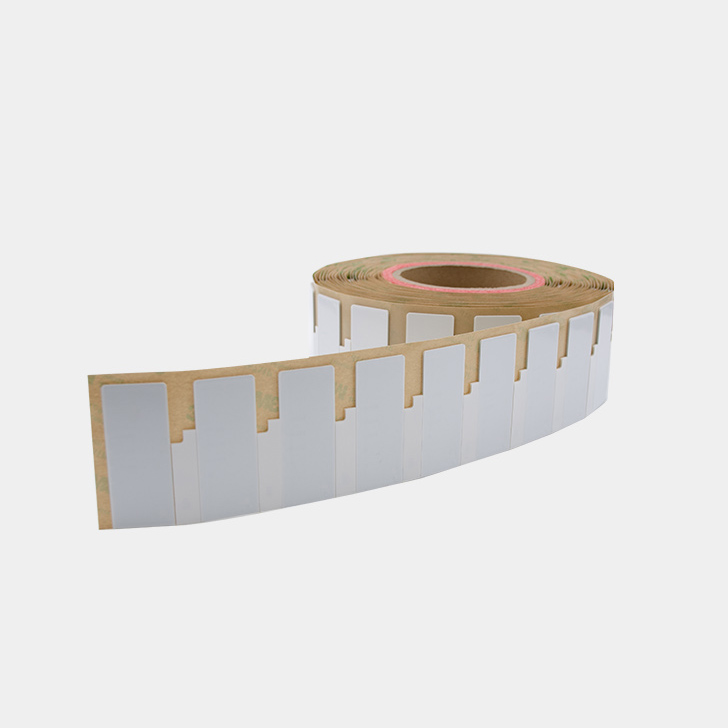
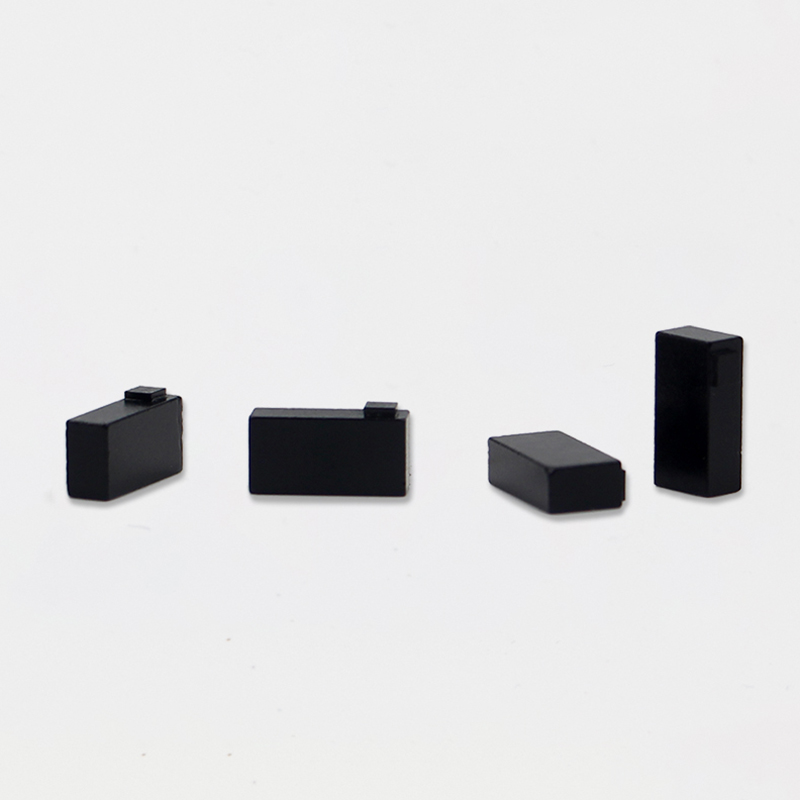
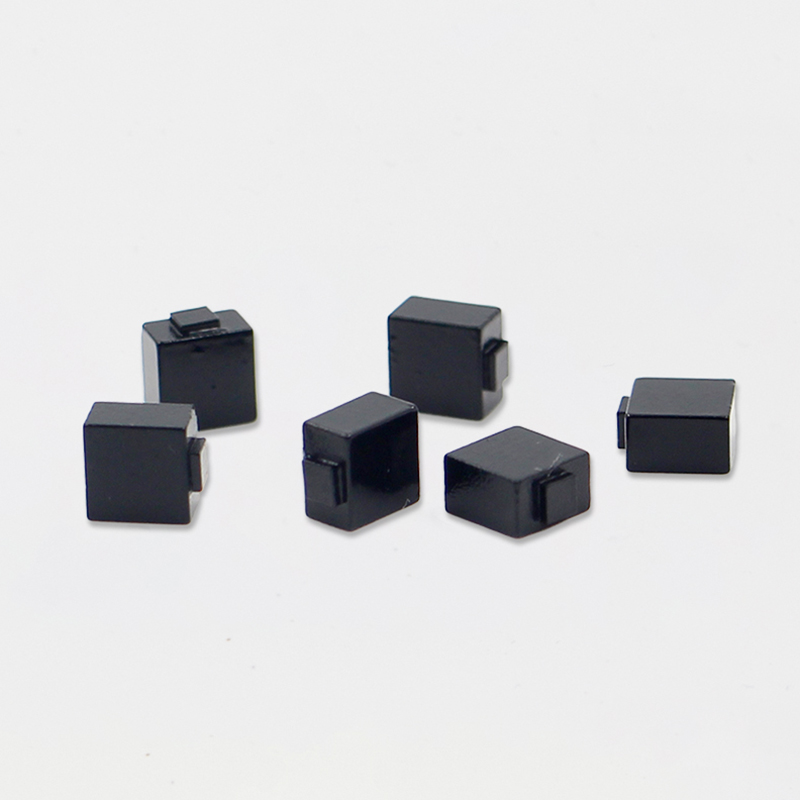
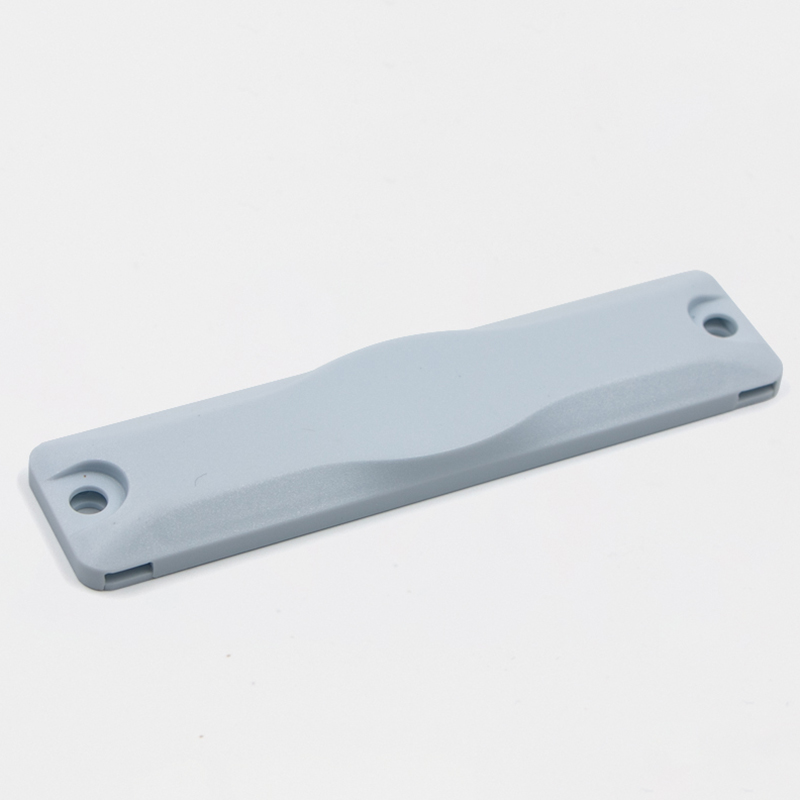
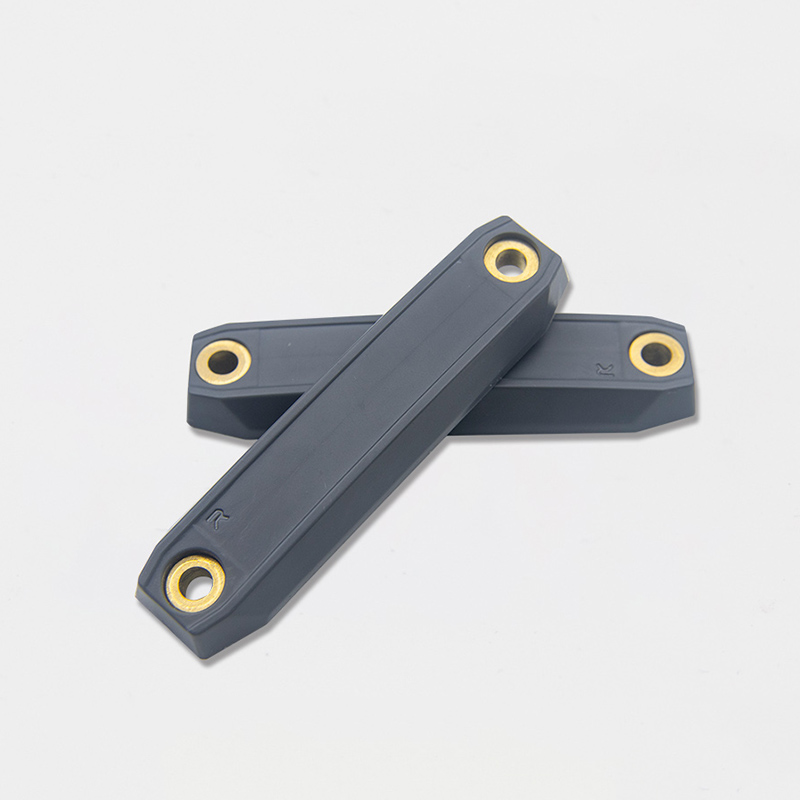
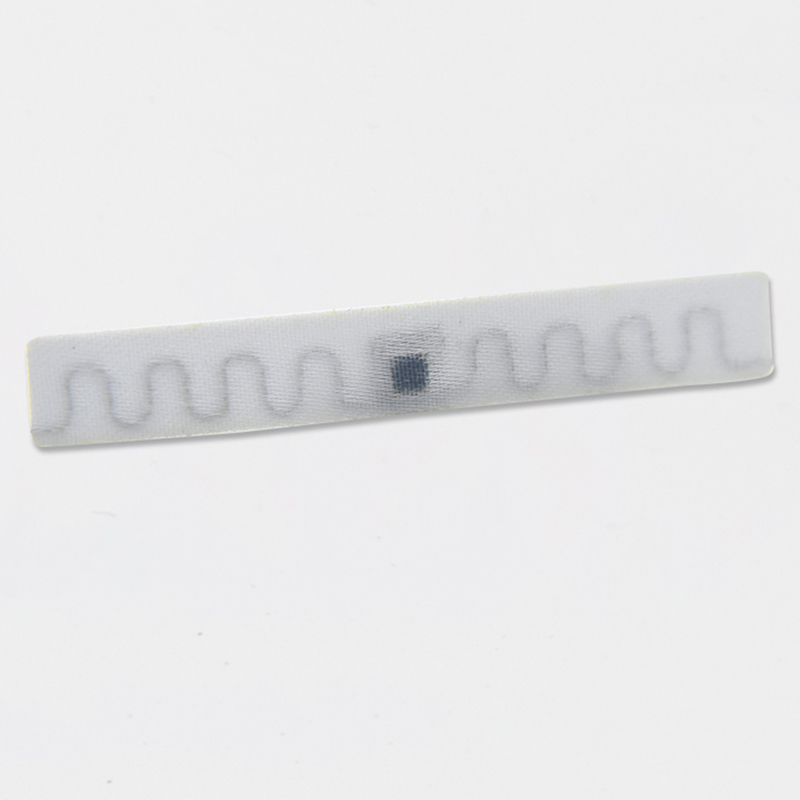
If you're looking for RFID solutions for laboratories, SUNRFID is a great  place to start.  They  offer a variety of RFID products designed specifically for laboratory needs. One of the best ways to find wholesale options is to visit SUNRFID's website or contact them directly. They often have  a range of products  that suit different lab sizes and types. You can find RFID tags that are  small and easy to attach to samples, such as the O8019 85 x 21 x 10 mm NXP Ucode 9xm, as well as RFID readers that help  scan these tags quickly. Buying wholesale means you might save money, especially if your lab  has many samples to track.
Our Products

Where to Find the Best Wholesale RFID Solutions for Laboratories

You can also  look for trade shows or conferences related to laboratory technology. These events often  have many companies,  including SUNRFID, showcasing their latest products. Attending these events can give  you the chance to see the RFID solutions in action. Plus,  you can  ask the experts questions about  what works best for your lab. Another option is to read online reviews or forums where lab professionals  talk about  their experiences.  This  can help you understand what  products might work  best for your specific needs. Remember, the right  RFID solution can make a huge difference in how efficiently your lab operates.

Laboratories face many challenges when it comes to tracking  samples. One common  issue is human error. Sometimes,  lab workers might forget to label samples correctly or might mix  them up during testing. This can lead to mistakes in results, which can be frustrating. RFID technology helps solve this problem  by providing a way  to automatically track samples without relying solely on human input.</p>

Frequently Asked Questions

What is laboratory sample tracking RFID used for?

It tracks and identifies lab samples reliably, improving chain-of-custody, reducing errors, and enabling fast scanning in harsh lab environments using durable RFID tags.
SUNRFID offers high-temperature and on-metal RFID tags designed for chemical exposure, sterilization, and metal surfaces common in labs.
Yes. Our tags support common RFID readers and can be integrated with LIMS or asset management systems via standard protocols and custom solutions.
Yes. We design and manufacture custom RFID tags and encodings tailored to sample size, material, temperature, and tracking requirements.
SUNRFID supplies global manufacturing, quality-tested tags, and professional RFID expertise, with technical support for selection, testing, and deployment.

Get a Free Quote

Our representative will contact you soon.
Email
Name
Company Name
Message
0/1000

Related product categories

What Common Issues Do Laboratories Face with Sample Tracking?

What Common Issues Do Laboratories Face with Sample Tracking?

Finally, labs often deal with security issues. Samples can  be  valuable or sensitive, and  ensuring  they  are safe is crucial. RFID systems can provide  an added layer of security, alerting lab staff if a sample has  been removed  from  its  designated area.  This can help prevent theft  or accidental loss  of important materials. Overall, using RFID technology  helps  labs reduce errors,  save time, manage inventory, and improve  security  in  sample tracking.

What Makes RFID the Preferred Choice for Laboratory Inventory Management?

What Makes RFID the Preferred Choice for Laboratory Inventory Management?

In a laboratory, keeping track of samples is very important. Scientists need to know where each sample  is  and how to find it quickly. This is where RFID, or Radio  Frequency Identification,  comes in. RFID uses special tags and readers to help labs manage their inventory. The tags are small devices that can be attached  to samples. Each tag has a unique code that helps identify the sample. When  a reader  scans the tag, it can find  out what the sample is and where it is located. This is  much faster than writing everything down on paper.  One big reason why RFID is the  preferred choice for laboratory inventory management is its speed and accuracy. SUNRFID offers RFID solutions that can help laboratories keep track of many samples at once, including options like the O8016 136 x 43 x 10.3 mm impinj Monza 4QT. Instead of searching through boxes or racks,  lab workers  can simply scan a whole shelf  and see all the samples at once. This saves time and reduces mistakes. Another advantage of  RFID is  that it can work even if the sample is inside a container. Unlike barcodes, which need to be visible, RFID tags can be read through some materials. This feature is very useful in a lab where samples might be stored in different kinds of containers. Also, RFID can  help in keeping samples safe. If a sample is misplaced, the lab can quickly locate it by checking  the last recorded location. This helps prevent  loss and ensures that important samples are not thrown away or forgotten. Overall, RFID technology from SUNRFID makes managing  laboratory samples easier and more efficient.

What Are the Latest Trends in RFID for Laboratory Applications?

What Are the Latest Trends in RFID for Laboratory Applications?

The world of RFID technology is always changing, and there  are some exciting trends in RFID for laboratory applications. One of the latest trends is the use of smaller and more affordable RFID tags.  SUNRFID  is working on these tiny tags that can be attached to very small samples. This means that even  the tiniest samples can be tracked  easily. Another trend is  the use of RFID combined with other  technologies, like smartphones and tablets. This allows lab workers to check the status of samples  right from their devices. They can quickly see  where a sample is or if it is ready for testing. Moreover, cloud technology is becoming more popular in  RFID systems. This means that all the data collected from  RFID tags can be stored online. Lab workers can access this information from anywhere, which is very convenient. They can also share  data  with other  team members easily.  Additionally, there is a trend toward using RFID for not just tracking samples  but also monitoring their conditions. Some RFID tags can measure temperature or humidity. This is very important for samples that need to be kept at specific conditions, such as those tracked with the O8015 88 x 37 x 4 mm impinj Monza R6P. By using these advanced tags, labs can ensure that their samples are always in the best state for  testing. Overall, with  these new trends,  SUNRFID is helping laboratories become even  more efficient and reliable.