
All Categories
rfid textile-0

Home > 

Rfid textile

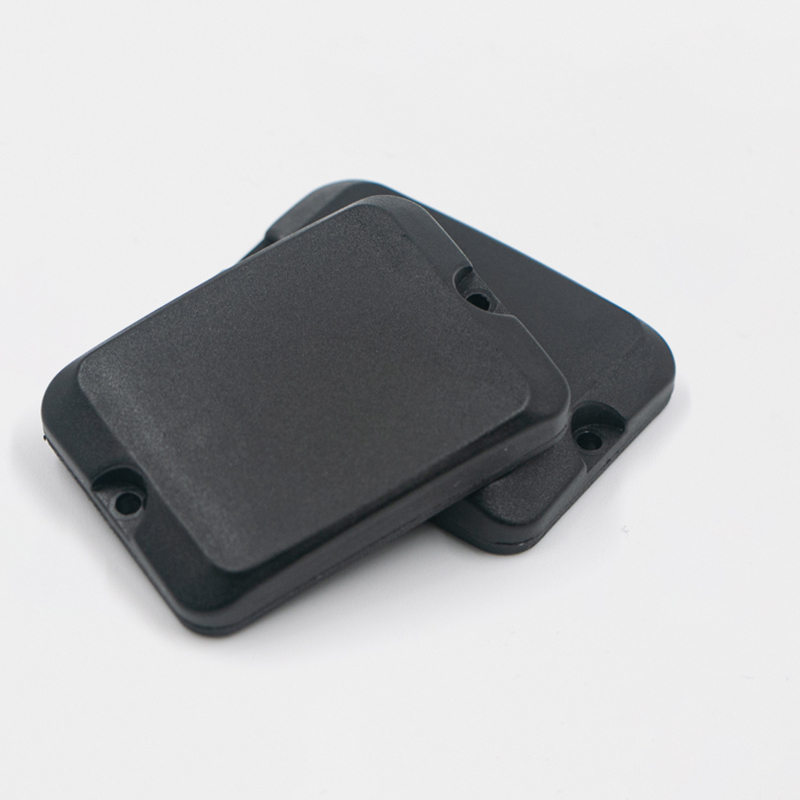
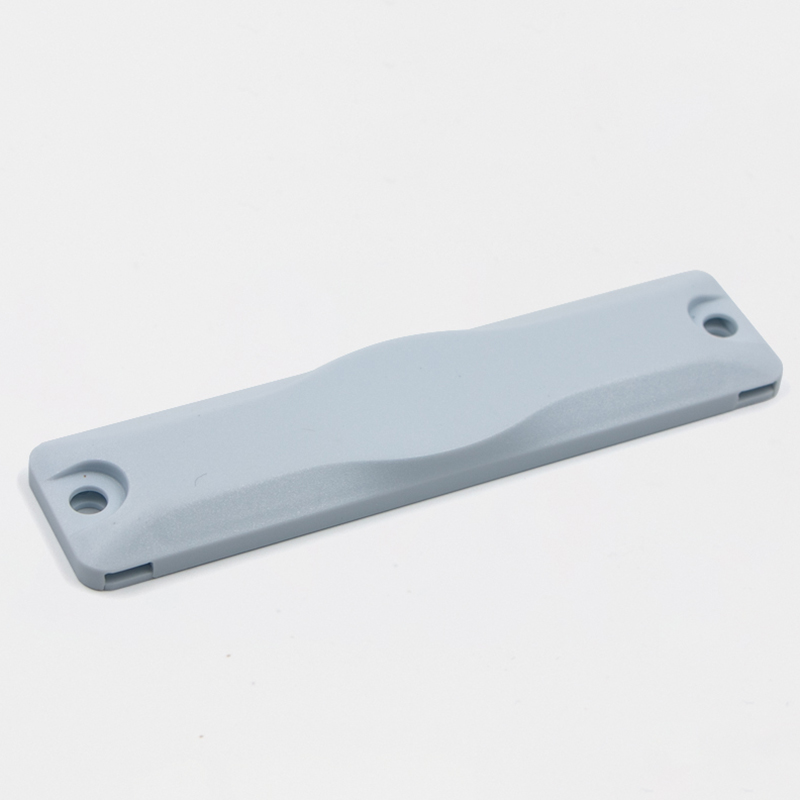
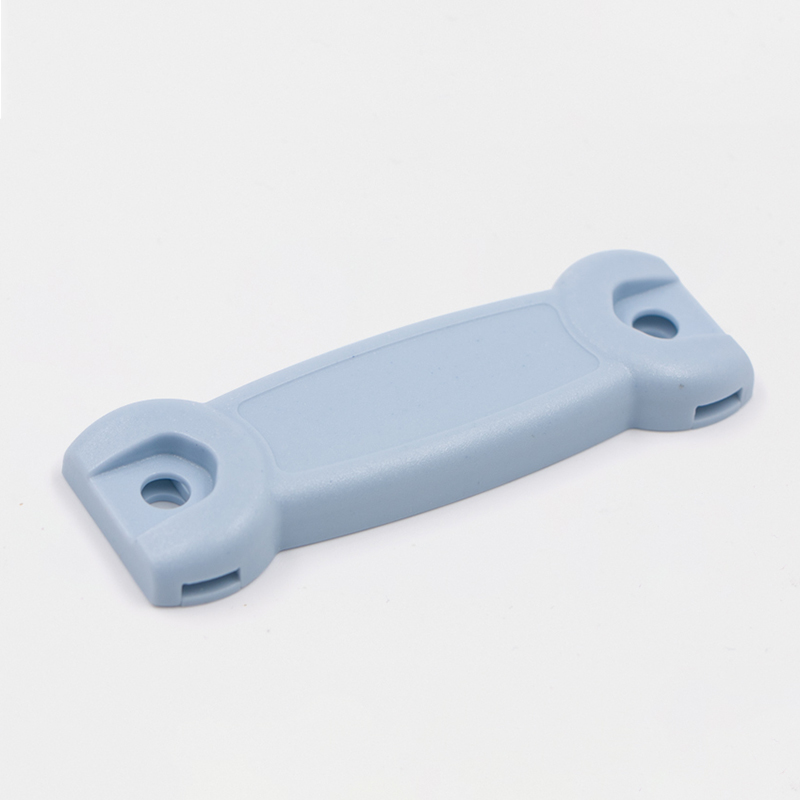
RFID textiles are an exciting innovation in the world of clothing and fabric. RFID stands for Radio Frequency Identification. It helps people know where their items are, just like how you can find your favorite toy when it’s lost. In textiles, RFID tags are sewn into the fabric. These tags can be scanned by special devices. This helps businesses track their products easily. SUNRFID is a brand that focuses on this technology, making the process smoother for companies that work with textiles. As we explore the benefits of rfid asset tracking, you will see why they are becoming more important in the fashion and textile industries.
Our Products

What Are the Benefits of RFID Textiles for Wholesale Buyers?

Wholesale buyers can gain a lot from using RFID textiles. First, these tags help them keep track of their inventory. Imagine a store with hundreds of clothes. Sometimes, it can be hard to know where everything is. RFID tags make it simple because they can scan many items at once. This means they can find out what clothes are in stock quickly. It saves time and helps the store run better. Another benefit is that RFID textiles can help reduce mistakes. When you have a lot of products, it's easy to mix them up. But RFID tags help ensure that the right item gets to the right place. This can help avoid problems, like sending the wrong shirt to a customer. Also, using RFID textiles can help wholesale buyers learn more about patterns in sales. When they see which items sell best, they can order more of those. This helps them make smarter buying decisions. Plus, RFID technology makes returns easier. If a customer wants to return something, the store can quickly scan the item and handle the return without much hassle. This makes shopping more enjoyable for everyone. So, with faster tracking, fewer mistakes, and better understanding of sales, rfid laundry tags are a game-changer for wholesale buyers.

Frequently Asked Questions

What is RFID textile and how is it used?

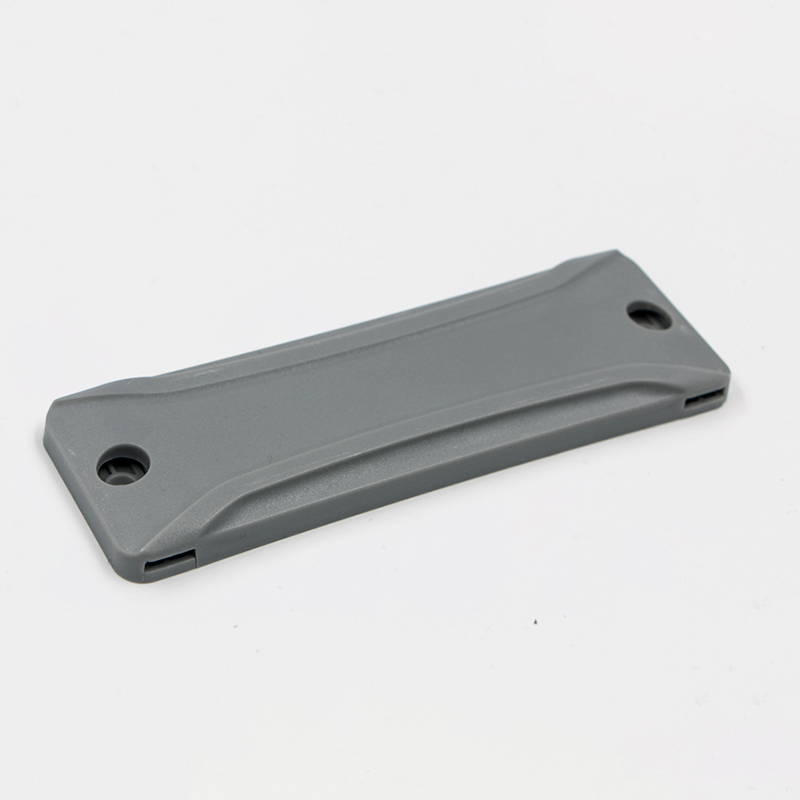
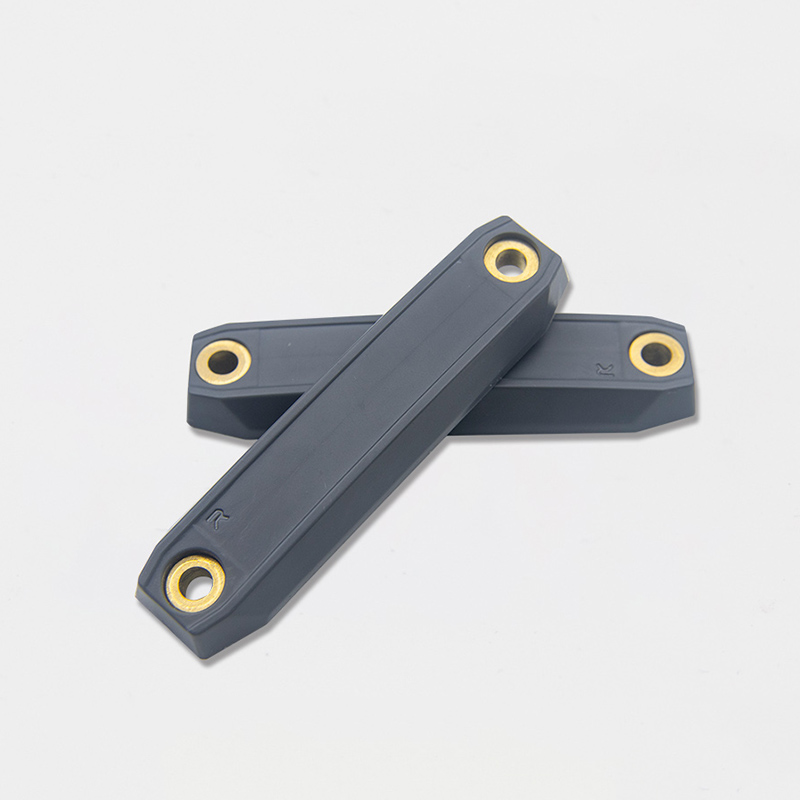
RFID textile are durable tags integrated into fabrics for tracking laundry, uniforms, and assets. They enable automated identification, inventory control, and lifecycle management in industrial and harsh environments.
Yes. Our RFID textile tags are designed for repeated industrial washing, high temperatures, and chemical exposure, ensuring long-term readability and reliability in laundry and harsh conditions.
Our RFID textile tags typically support UHF (ISO 18000-6C / EPC Gen2) for long-range tracking and can be customized to other frequencies or protocols per project requirements.
Yes. We offer custom designs including size, encoding, materials, and printing to meet specific asset tracking, temperature, or on-metal requirements for industrial use.
We provide reliable manufacturing, quality testing, encoding, and technical support for integration, plus worldwide shipping and guidance for deploying RFID textile solutions.

Get a Free Quote

Our representative will contact you soon.
Email
Name
Company Name
Message
0/1000

Related product categories

How RFID Technology is Revolutionizing Textile Inventory Management

RFID technology is changing how textile inventory is managed. With RFID, businesses can see their items in real-time. For example, if a store has just received a new shipment, they can scan the items as they come in. This helps them know exactly what they have right away. This is much faster than counting everything by hand. It’s also way less boring! In addition, RFID allows for automatic updates. Whenever a product is sold or moved, the system updates itself. This means there’s no need for workers to write everything down or update a computer manually. Workers can spend more time helping customers instead. Another important point is that RFID textiles can help find lost products. Sometimes items get misplaced. With RFID, stores can quickly locate them. If a shirt is missing, they can just scan the area and find out where it went. This saves time and prevents confusion. Furthermore, using RFID technology can lead to less waste. When businesses know exactly what they have, they can avoid over-ordering. This means less unsold stock, which is great for the environment. Lastly, RFID textiles can help with online sales too. When customers order clothes online, the store can quickly get the right items packed and shipped. This means happy customers who receive their orders on time. Overall, RFID technology is making inventory management smarter and more efficient, helping businesses like SUNRFID lead the way in the textile industry.

What to Look for in Reliable RFID Textile Suppliers

When you are looking for good suppliers of RFID textiles, there are a few important things to keep in mind. First, you should check if the supplier has a good reputation. This means they are known for making high-quality products and giving good service. You can do this by reading reviews online or asking other people who have used their products. Next, look for suppliers who have experience in making RFID textiles. This is important because the more experience they have, the better they will understand how to make textiles that work well with RFID technology. You should also ask about the materials they use. It’s best to choose suppliers who use durable and safe materials to make their RFID textiles. This will help ensure that the textiles last a long time and are safe for people to wear. Another important factor is the technology they use. Good suppliers will use the latest RFID technology to ensure their products work correctly. You can ask them about the types of RFID tags they use and how they are integrated into the textiles. Lastly, consider the price and the minimum order quantity. You want to find a supplier that offers good prices but also allows you to buy the amount you need without having to order too much. SUNRFID is a company that focuses on quality and reliability in rfid tags for inventory, making it a great choice for your needs.

Common Usage Issues with RFID Textiles and How to Overcome Them

Even though RFID textiles are very useful, there can be some common problems when using them. One issue is that sometimes the RFID tags can be hard to read. This means that the scanners might not pick up the tags if they are not placed correctly or if there are too many layers of fabric. To solve this problem, it’s important to think about where you place the RFID tags on the textiles. Make sure they are in a position where scanners can easily read them. Another common issue is interference from other electronic devices. Sometimes, other devices can block the signal from the RFID tags, making it hard for the scanners to work properly. To overcome this, try to keep RFID textiles away from strong electronic devices or use special tags that are designed to work in challenging environments. Additionally, care and washing of the textiles can also affect the RFID tags. If the textiles are washed improperly, it could damage the tags. To prevent this, always follow the care instructions provided by the supplier. We provide guidance on how to care for RFID textiles to keep them functioning properly.